
The AI Vocabulary Is Smaller Than You Think
I was lucky enough to have lunch with Robert Kiyosaki 20-odd years ago, and he told me something that's always stuck with me. When you're learning something new, you start with vocabulary. Doesn't matter if it's pottery, real estate investing, coding, or Italian. Learn the meaning of 30-40 words and you unlock most of what you need for the first 6 months. You'll learn more later. But it's understanding those first few words that gives you the big unlock.
AI works the same way.
You don't need to understand 2,000 concepts to start building with AI. You need maybe 30 or 40.
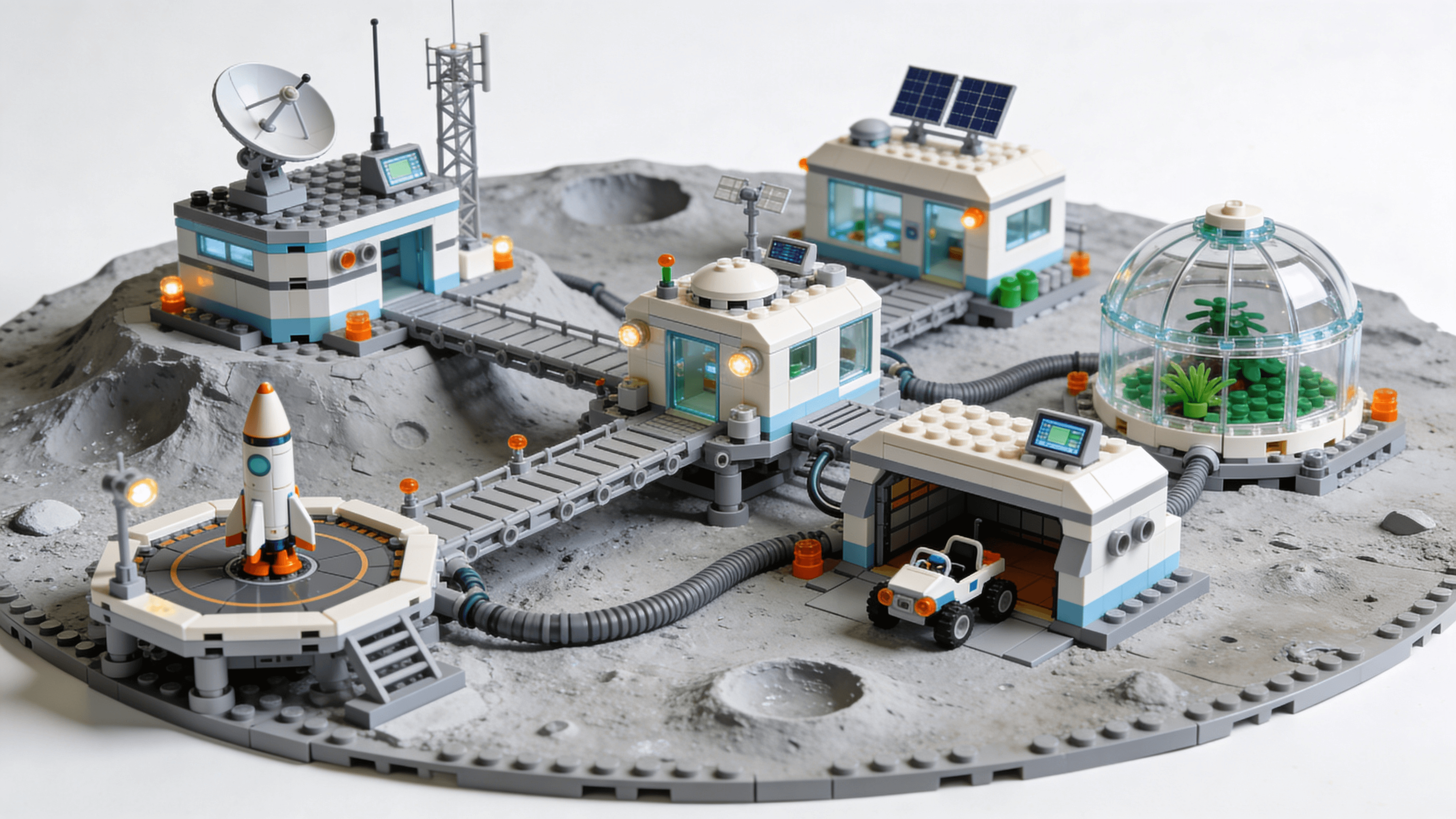
Think of them like Lego pieces. A handful of different shaped bricks.

That's it. A handful of different shaped bricks. But once you understand what each piece does, you can start putting them together in different ways to build different things.
Start Putting Them Together
Most people start by asking AI to write a blog post or reply to an email. That's fine. That's one Lego brick.

But now add the Lego piece that explains your tone of voice. The piece that describes your products and services so the AI knows which one to mention in a reply. Add a bit more context - the brick that explains who your customers are and what they care about.
Suddenly that blog post sounds like you wrote it. That email reply mentions the right product.
Same bricks. Just a few more of them, connected together.
Build Little Systems
Add the Lego brick that connects your AI to your Gmail. Now it can read your emails, understand the context within your business, and draft a reply straight into your Gmail folder.
A couple more bricks? It can add content to your website. Including branded images. So you never have to use that stock photo of two blokes in suits shaking hands ever again.
A few more? It can pull your campaign data, spot what's working, and draft a report for your client. Or research a competitor and summarise what they're doing differently.
Each of these is just a small model built from the same 30-40 bricks.
Keep Building
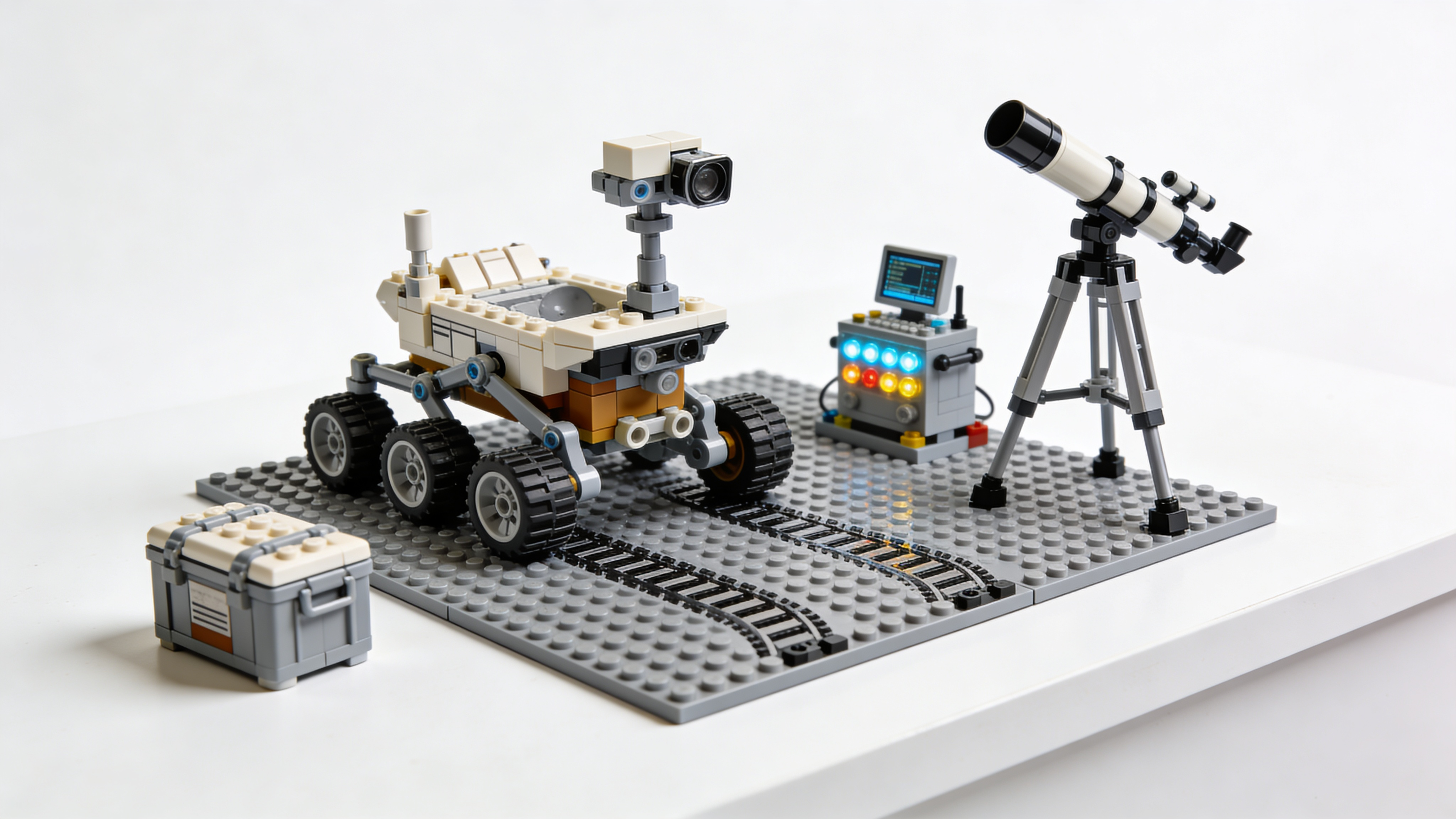
You just keep adding a few more Lego pieces. Building simple models from the same 30-40 bricks. Each model does one useful job. Connect a few models together and you've got a system.
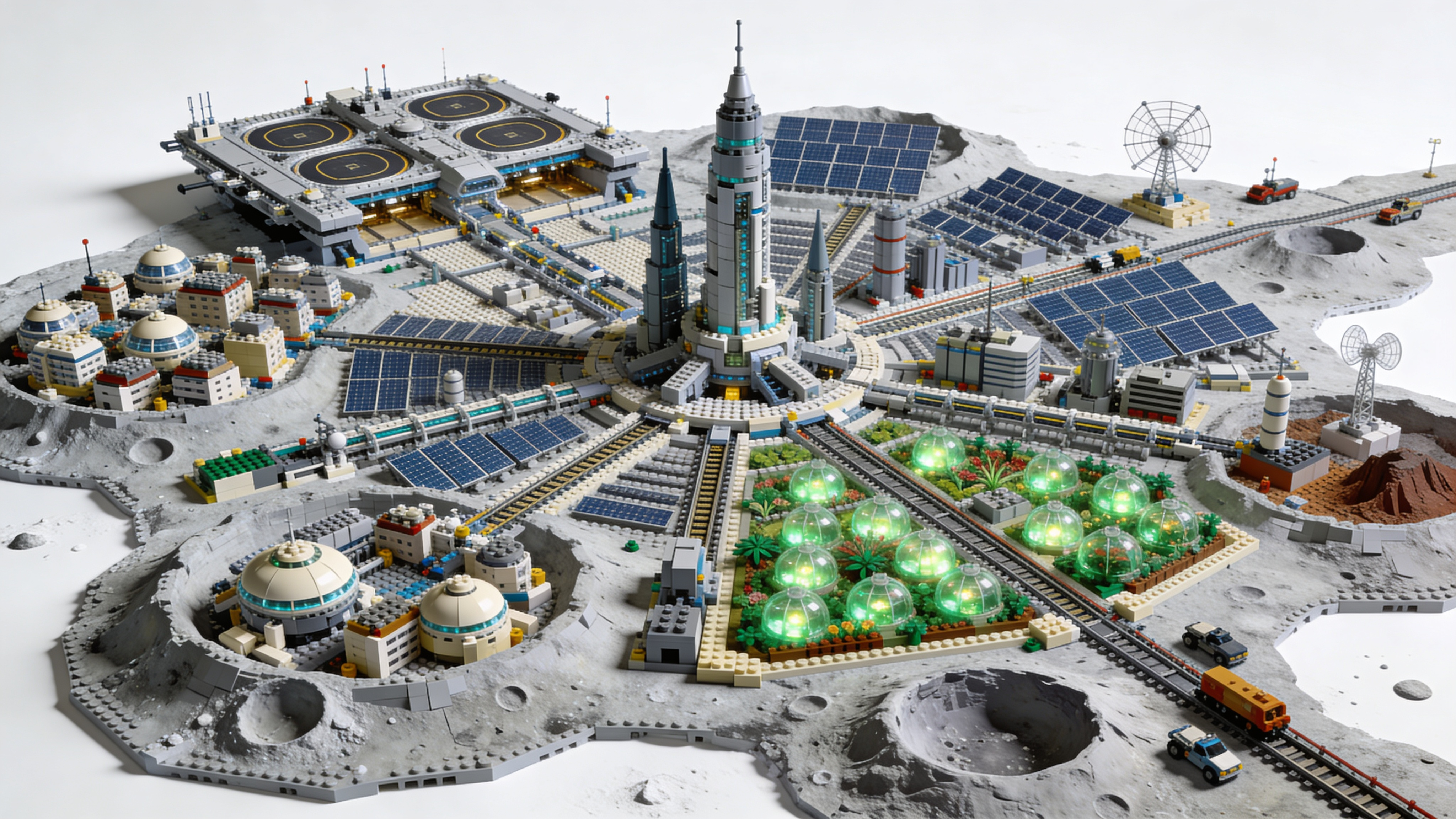
Connect your email drafting to your campaign reporting to your content creation. Now information flows between them. One system feeds the next.
That's when it starts to feel less like using a tool and more like having a team.
Yes, There Are More Complicated Bricks
Transformers. Attention mechanisms. Fine-tuning. RLHF. Mixture of experts. Quantization.
These are real things. They matter to researchers building foundation models.
They don't matter to you. Not yet. Maybe not ever.
You can get huge value by just starting today and building little models from the basic bricks. The complicated ones are there when you need them. Most people never do.
The Good News and The Bad News
The good news: you can now build anything you can imagine.
The only bad news: there's no Lego manual telling you how to put the pieces together.
That's what I want to do. Teach you what all those pieces are. Show you some of the ways you can put them together.
But then ultimately, you'll want to pull apart the little models I give you and rebuild them into the model that works perfectly for you and your business.
I just want to help you get started.